
The Myth That Relaxation Needs to Be Active
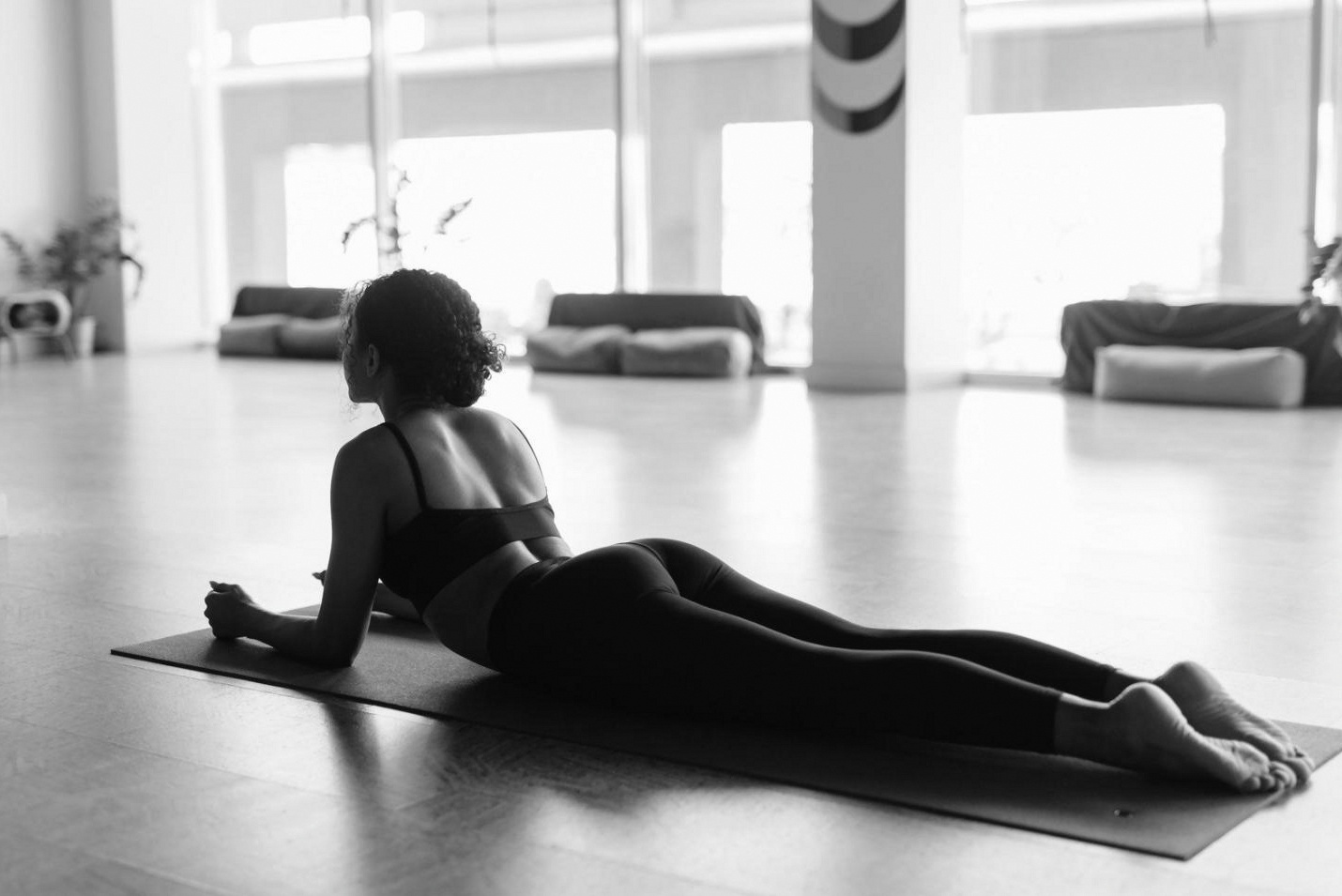
There is a version of evening relaxation that looks like a second workout. Breathwork routines, stretching sequences, guided meditations with timers. For some people that works. For a lot of introverts, it just adds another performance to the end of the day.
The assumption underneath all of it is that relaxation requires effort and structure. That is not universally true. Passive rest, meaning doing something low-effort that you actually enjoy, activates the same parasympathetic response that structured practices aim for. Reading a novel, listening to one album without doing anything else, watching something familiar and undemanding. These are not lesser options.
The hidden opportunity is that introverts who give themselves permission to rest passively often find it easier to sustain than any formal practice. A 20-minute stretching routine that you dread and skip three nights out of five is less useful than sitting quietly with a book every night.
Consistency matters more than method. The best evening practice is the one that does not require convincing yourself to do it.
Before adding another structured habit to your evening, it is worth asking whether you are already doing something that works and just not counting it because it does not look like wellness.
Three habits that actually shift the evening
Dropping overhead lights 90 minutes before sleep gives the nervous system a reliable cue. Most people underestimate how much ambient brightness delays the shift into rest.
Choosing one deliberate moment to stop checking screens — not gradually winding down, but a clear cut — tends to shorten the mental loop that keeps the day's tasks circling.
A simple extended exhale — breathing out longer than you breathe in — activates the parasympathetic response without needing any equipment or a quiet room. Four minutes is often enough.
Where to go from here
Summit Point covers evening relaxation from multiple angles — pick the thread that matches where you are right now.
Step-by-step evening sequences with timing, sequencing and adaptation notes for different schedules.
See guidesOpinion-driven takes on what the research actually says — and where the popular advice misses the point.
Read the blogWho puts this together, what informs the editorial lens, and why evening relaxation specifically.
About the author